peripheral Quantitative Computed Tomography
pQCT Scanning
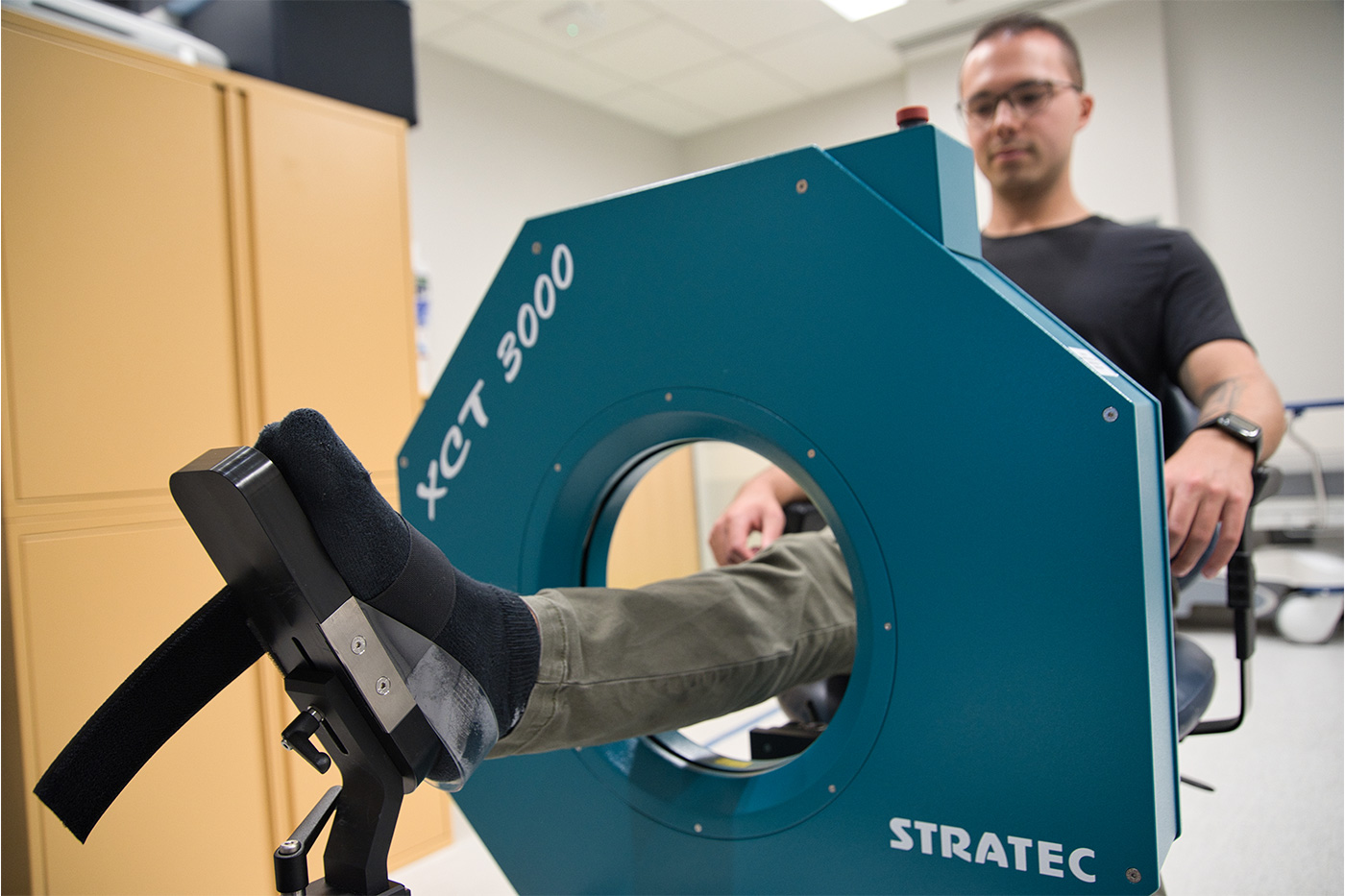
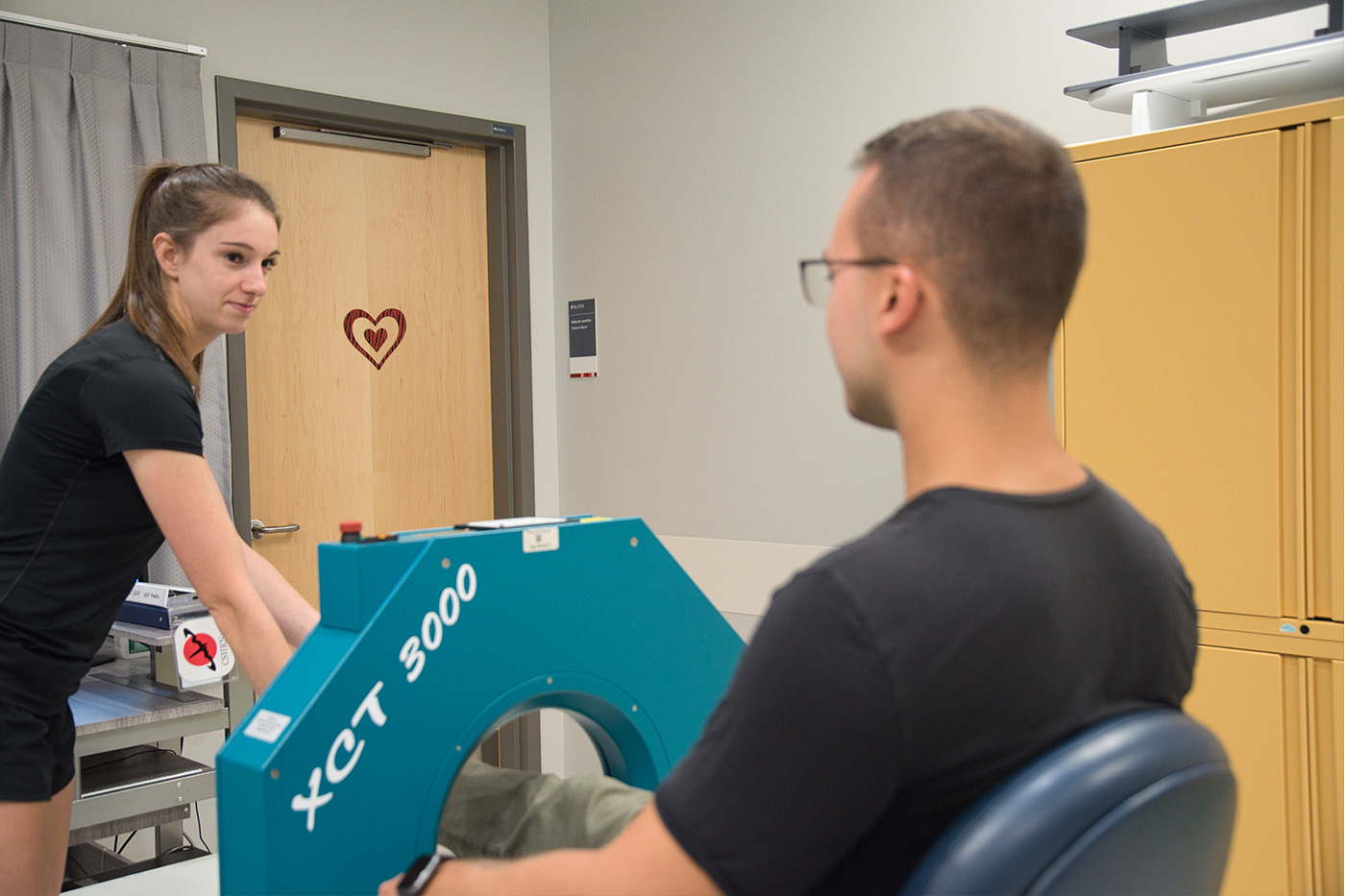
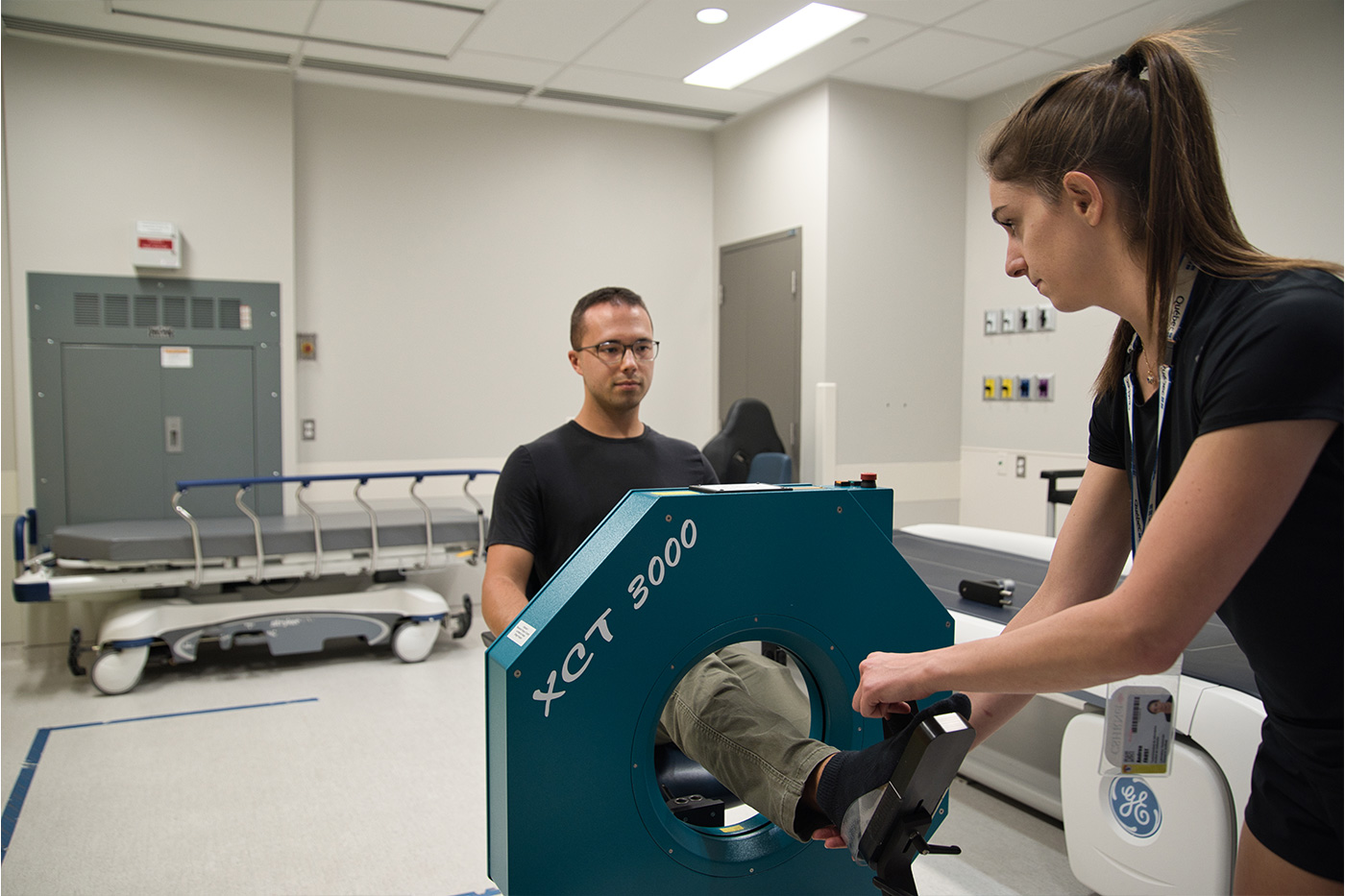
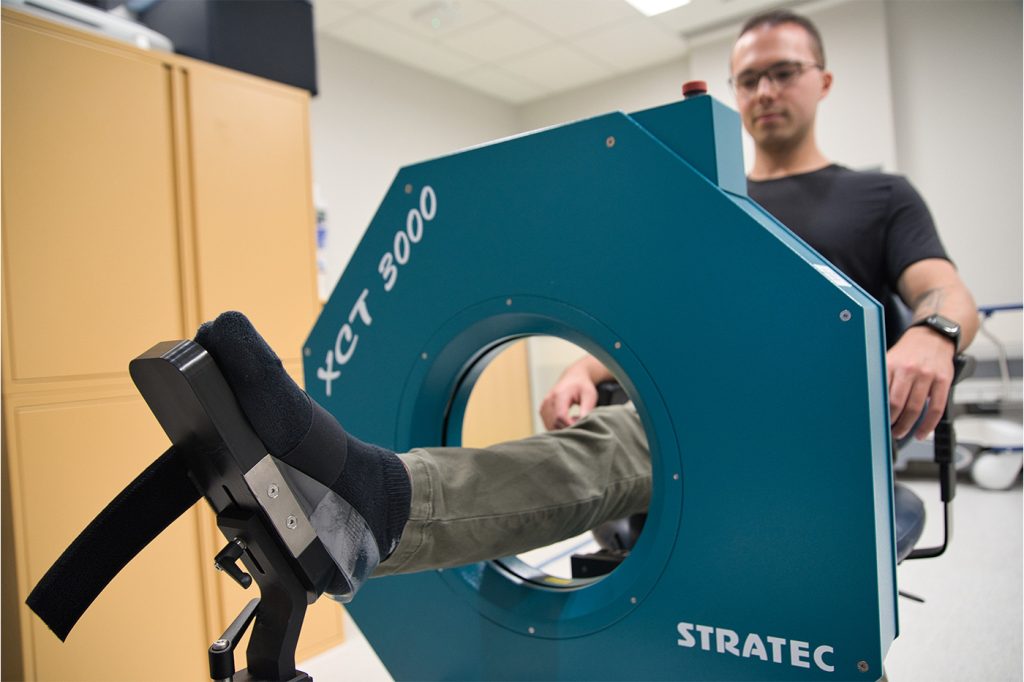
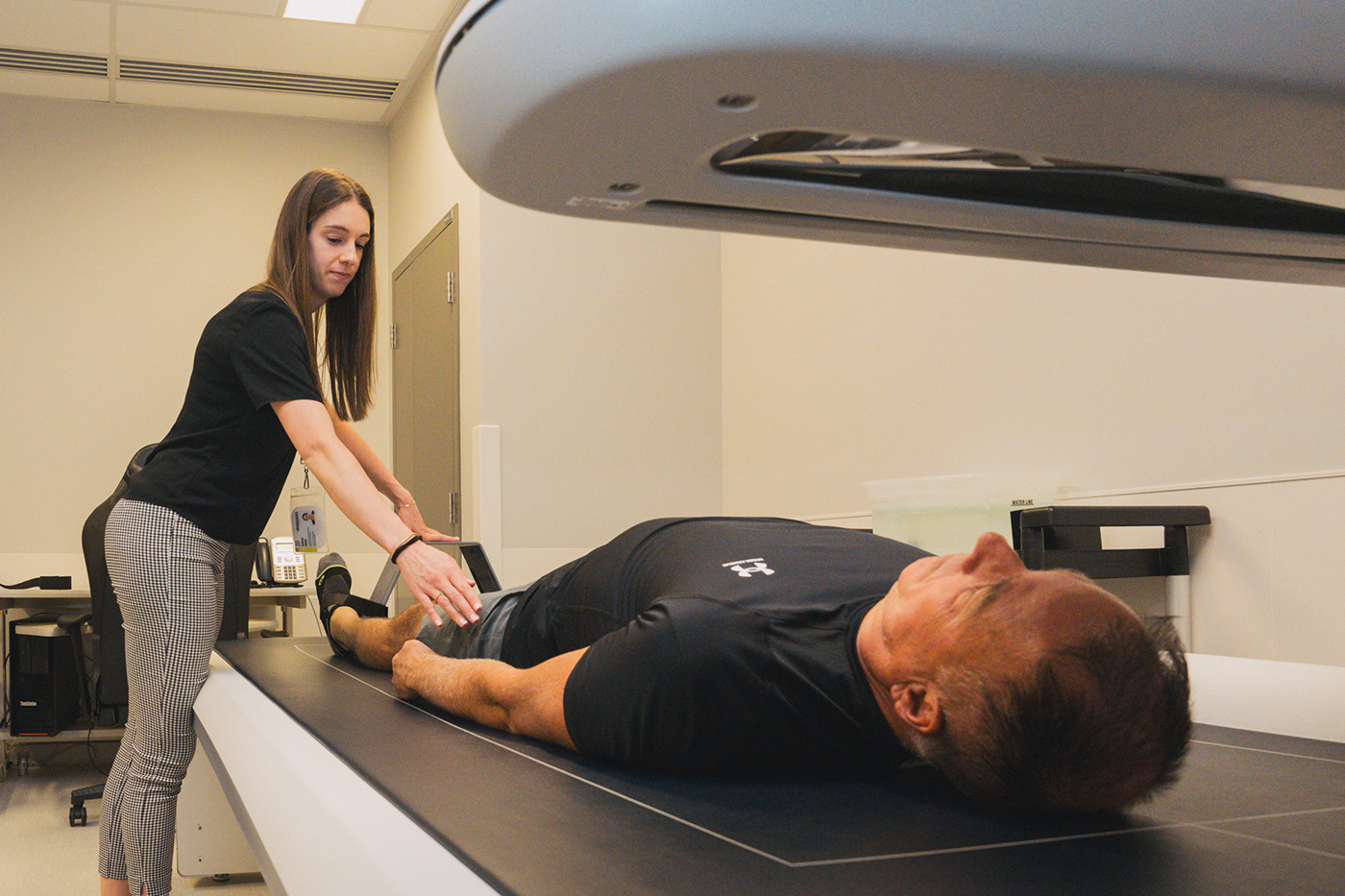
REACH Lab provides pQCT (peripheral quantitative computed tomography) scanning, a sophisticated imaging technology designed to assess bone density, geometry, and strength at peripheral skeletal sites such as the wrist or ankle. Unlike traditional methods, pQCT allows for three-dimensional analysis of bone structure, offering unparalleled insights into both cortical and trabecular bone compartments.
This advanced scanning technique evaluates the mechanical properties of bones, including their structural integrity and resistance to fractures. It is particularly useful in research and clinical settings for identifying changes in bone health caused by aging, medical conditions, or treatments.
Personalized Insights for Optimizing Bone Health and Strength
With its ability to deliver precise and localized measurements, pQCT scanning supports a deeper understanding of bone quality and strength, enabling tailored strategies for the prevention and management of conditions like osteoporosis. By offering detailed, actionable data, REACH Lab empowers individuals and healthcare professionals to optimize bone health and improve overall physical well-being.
What results will the pQCT provide?
At REACH Lab, we use peripheral quantitative computed tomography (pQCT) to capture detailed 3D images of bone density, geometry, and strength at key locations, including the lower leg (tibia), thigh (femur), and forearm (radius/ulna). This advanced imaging delivers precise, localized information on both cortical and trabecular bone.
Precise 3D imaging of bone structure
Detects changes from aging, disease, or treatment
Differentiates cortical and trabecular bone compartments
Supports personalized strategies for osteoporosis prevention and care
Assesses bone strength and fracture risk
Provides actionable insights for researchers and healthcare providers
our work
Data Science
Inspired by nature. Perfected by science.
Growth over assembly
Nature-centric design
*Beratung für Data Science
More of our